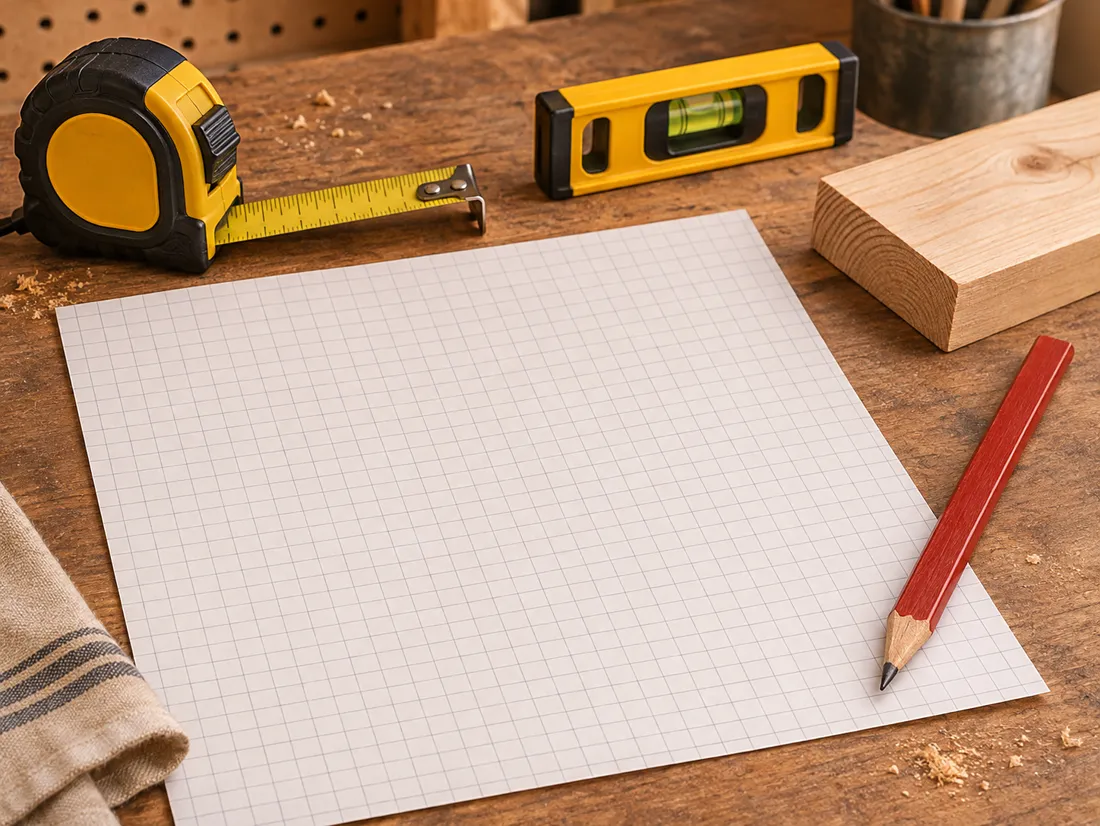
 01 / PROJECT SCOPE
Write down what is changing
Record the finished dimensions, location, existing conditions, and what must stay untouched.
Estimate a material area ↗MAKE A PLAN BEFORE THE PILE OF LUMBER
Find the right questions to ask before choosing tools and materials. Plan the scope, count what you need, and leave the technical work to verified plans and qualified guidance.
Open the material planner ↓Project prep · buyer context · safety-first boundaries
Useful work begins with
the right scope and a clear list.
A PROJECT DESK, NOT A HOW-TO MANUAL
Use these prompts to organize a project and compare categories of tools. Specific materials and methods depend on the site, plans, and product instructions.
01 / PROJECT SCOPERecord the finished dimensions, location, existing conditions, and what must stay untouched.
Estimate a material area ↗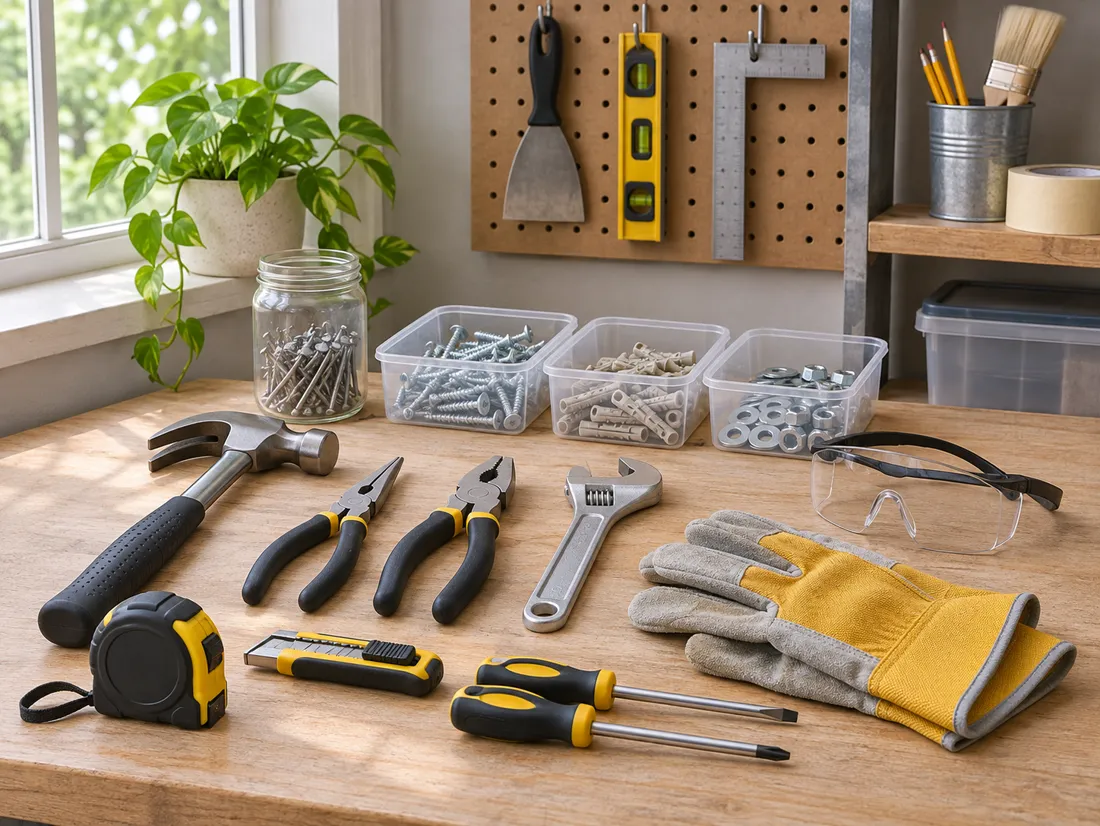 02 / TOOL CATEGORY
Compare storage, compatibility, service, and the work types your tools need to cover.
Build your check list ↗ 03 / FINISH & CARE
Note preparation, cleanup, ventilation, storage, and care requirements from product labels.
Read the safety boundary ↗No live catalog, current prices, inventory, or affiliate links are connected. There are no product rankings or fictional discounts on this page.
A QUICK MATERIAL AREA ESTIMATE
Enter the number and dimensions of flat pieces. Add your own allowance and unit price if you have one. The result is an arithmetic estimate—not a cut list or a structural specification.
PAUSE AT THE PROJECT BOUNDARY
Use instructions and plans suitable for the actual material, site, and intended result.
Check the manufacturer’s operating limits, setup requirements, and protective equipment notes.
Confirm the material’s condition, intended use, handling guidance, and local requirements.
Electrical, structural, gas, and hazardous-material work may require a licensed professional.
This site helps organize shopping and project questions. It does not provide cutting instructions, structural design, electrical or plumbing directions, or a substitute for training. Follow tool and material instructions, use the protective equipment they specify, and consult a qualified professional where appropriate.
THE BENCH NOTES APPROACH
Bench Notes is being built as a practical tools and DIY research desk for US readers. We focus on planning questions and buying context. Specific project directions require verified plans, product documents, and appropriate expertise.
Affiliate disclosure: No product feed, affiliate links, or live price data are active. Commercial relationships will be disclosed before purchase links are used.
Privacy: This static prototype stores no project information. Contact and analytics are not configured.